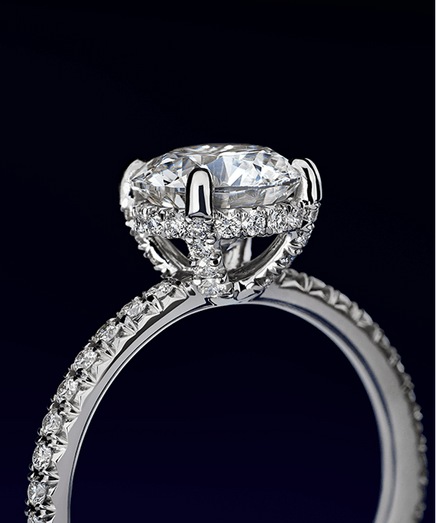
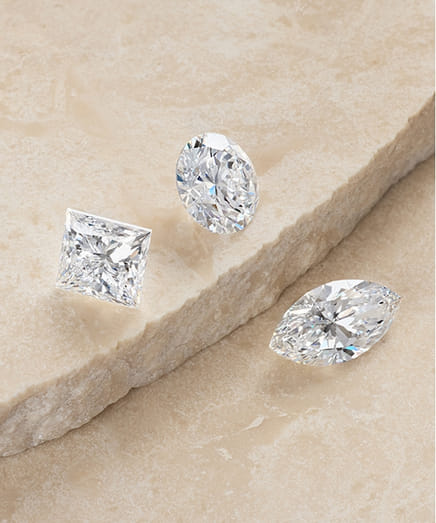
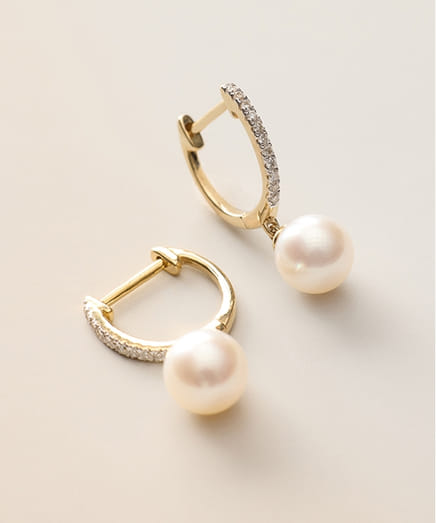
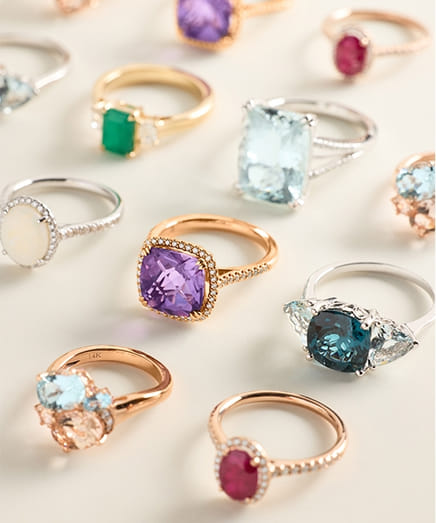
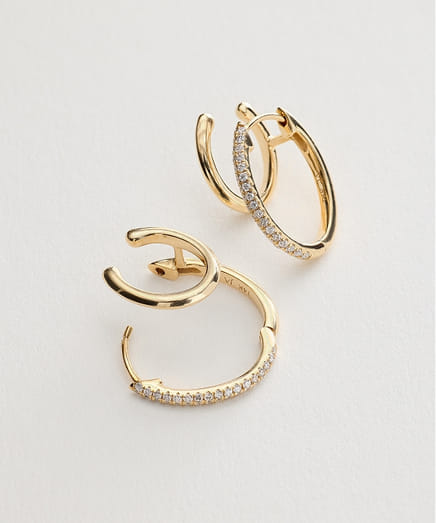


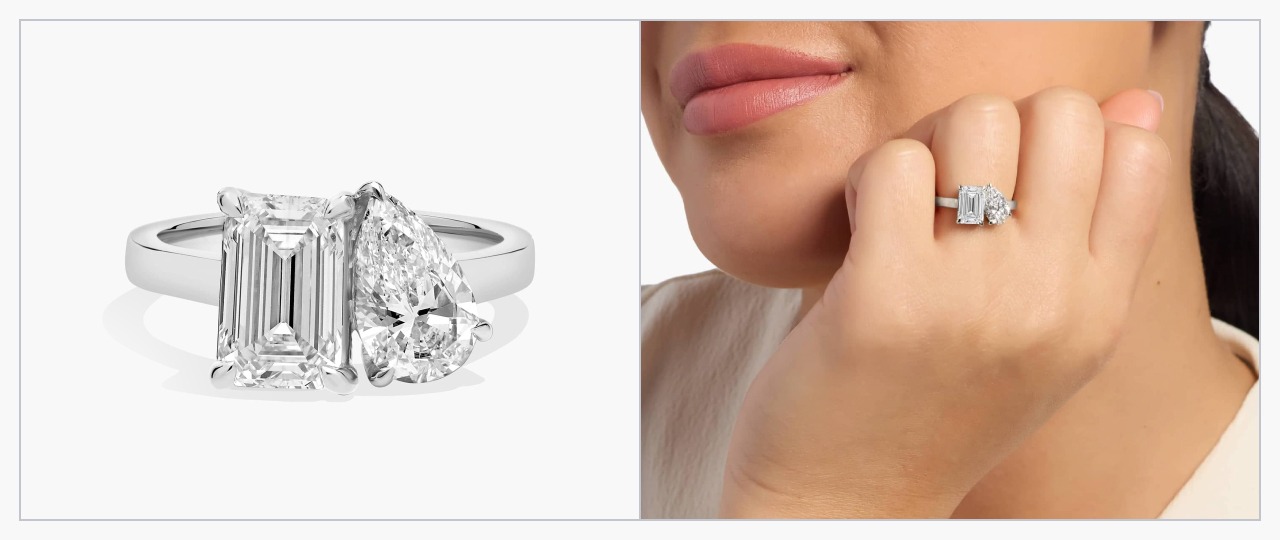
Diamonds have long been the traditional choice for engagement rings and everyday jewelry, but they’re far from the only option. While many couples still explore classic engagement ring diamonds, you might instead choose to embrace stunning diamond alternatives that offer individuality and significance.
From lab-grown diamonds that rival diamond brilliance to colorful stones that express personal style, there’s something for every style and occasion. These alternatives to diamonds shine in everything from engagement rings to everyday jewelry, blending lasting beauty with meaningful design.
| Stone | Appearance | Durability* | Price |
| Lab-grown diamonds | Colorless to near-colorless (“diamond look”) | Hardness 10 on the Mohs Scale of Hardness, excellent for daily wear | $$$ |
| White topaz | Clear/white, crystalline, diamond-style look | Hardness 8 on the Mohs scale, moderately durable with some scratch risk | $ |
| Morganite | Pale pink to peach, soft romantic hue | Hardness 7.5-8 on the Mohs scale; moderate toughness, best for occasional wear | $ |
| Aquamarine | Light blue to blue-green, clean and translucent | Hardness 7.5-8 on the Mohs scale, durable with mindful handling | $-$$ |
| Emerald | Rich green, often with visible inclusions (“jardin”) | Hardness 7.5-8 on the Mohs scale, fair durability due to internal inclusions | $$ |
| Sapphire | Blue (classic) but also pink, yellow, green; vivid and durable | Hardness 9 on the Mohs scale, excellent durability | $$-$$$ |
| Ruby | Deep red (pure or slightly purplish), classic and prestigious | Hardness 9 on the Mohs scale, ideal for frequent wear | $$$ |
*Durability here refers to a combination of hardness (resistance to scratching) and general toughness/suitability for everyday wear.
1. Lab-Grown Diamonds
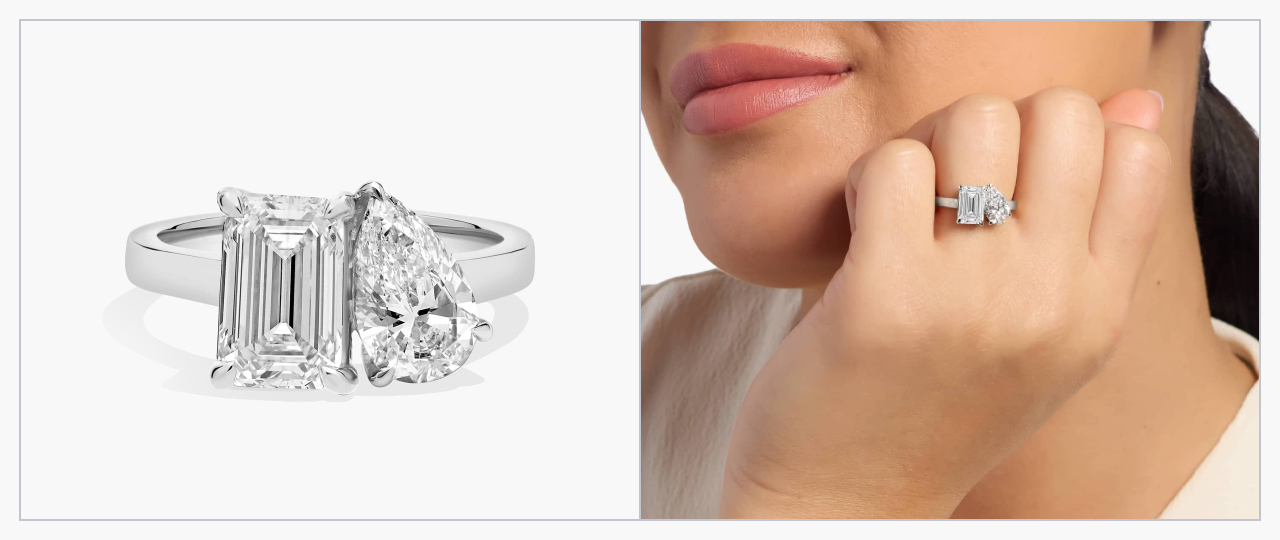
- Best for: Diamond beauty at a lower price
- Durability: Hardness 10 on the Mohs scale; extremely durable for everyday wear
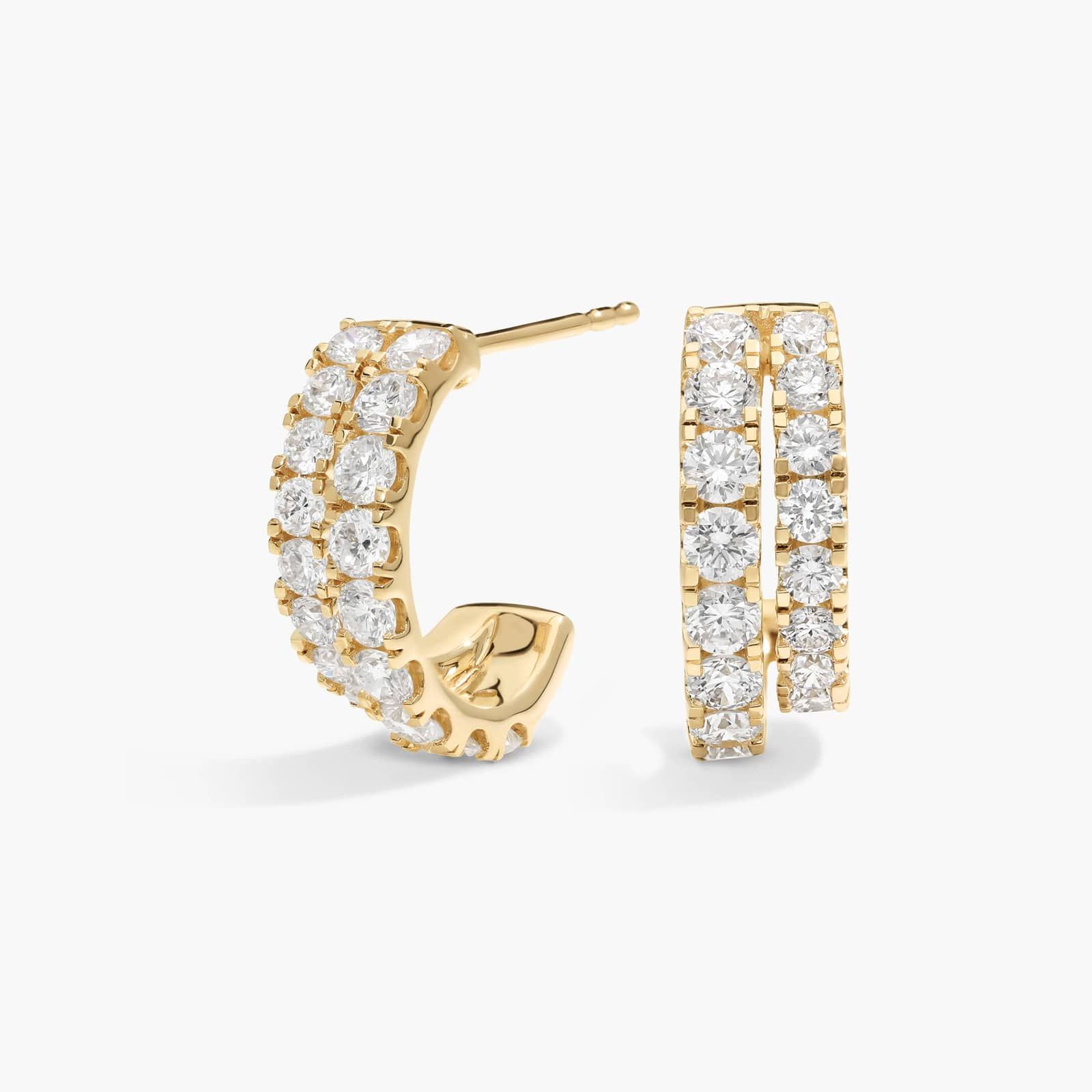
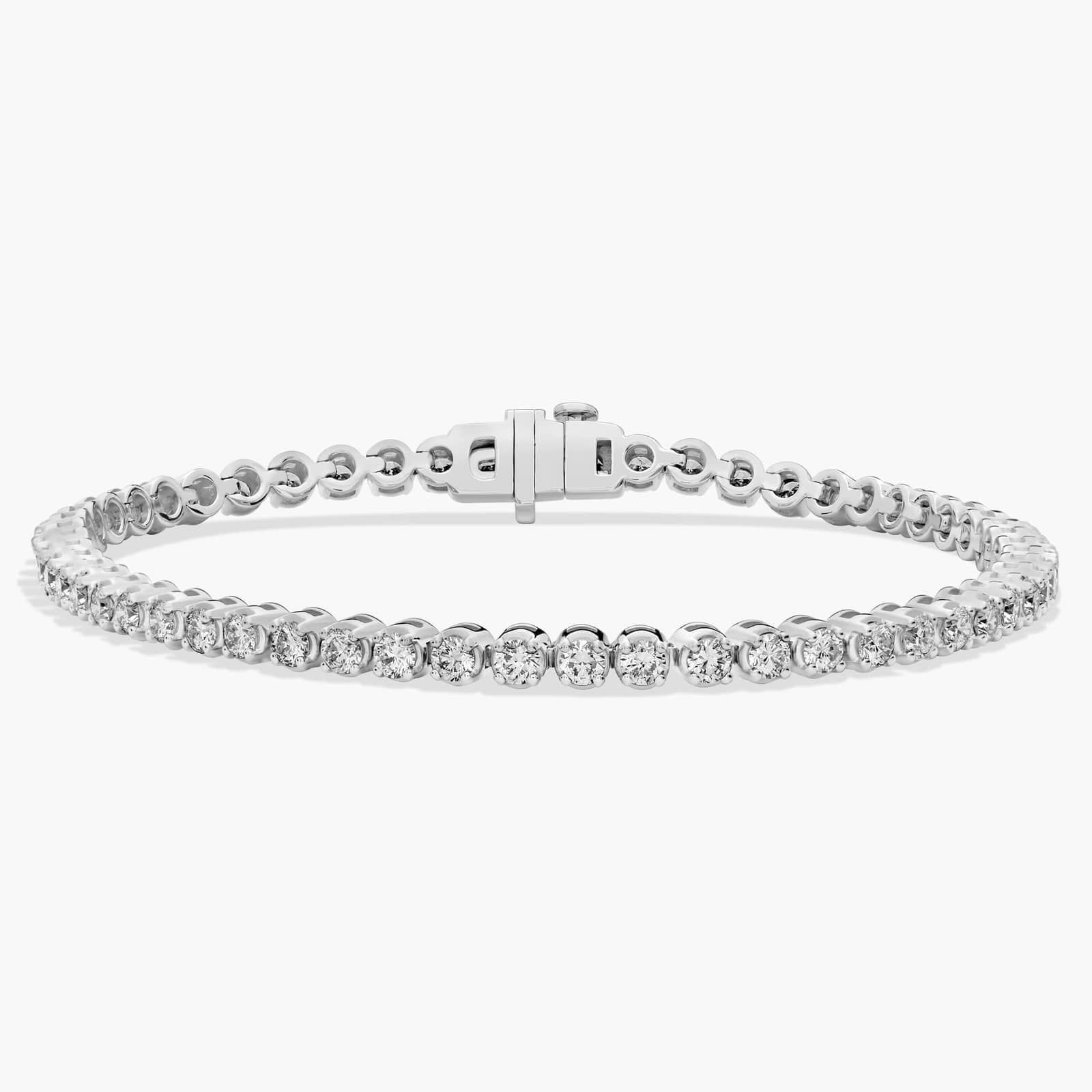
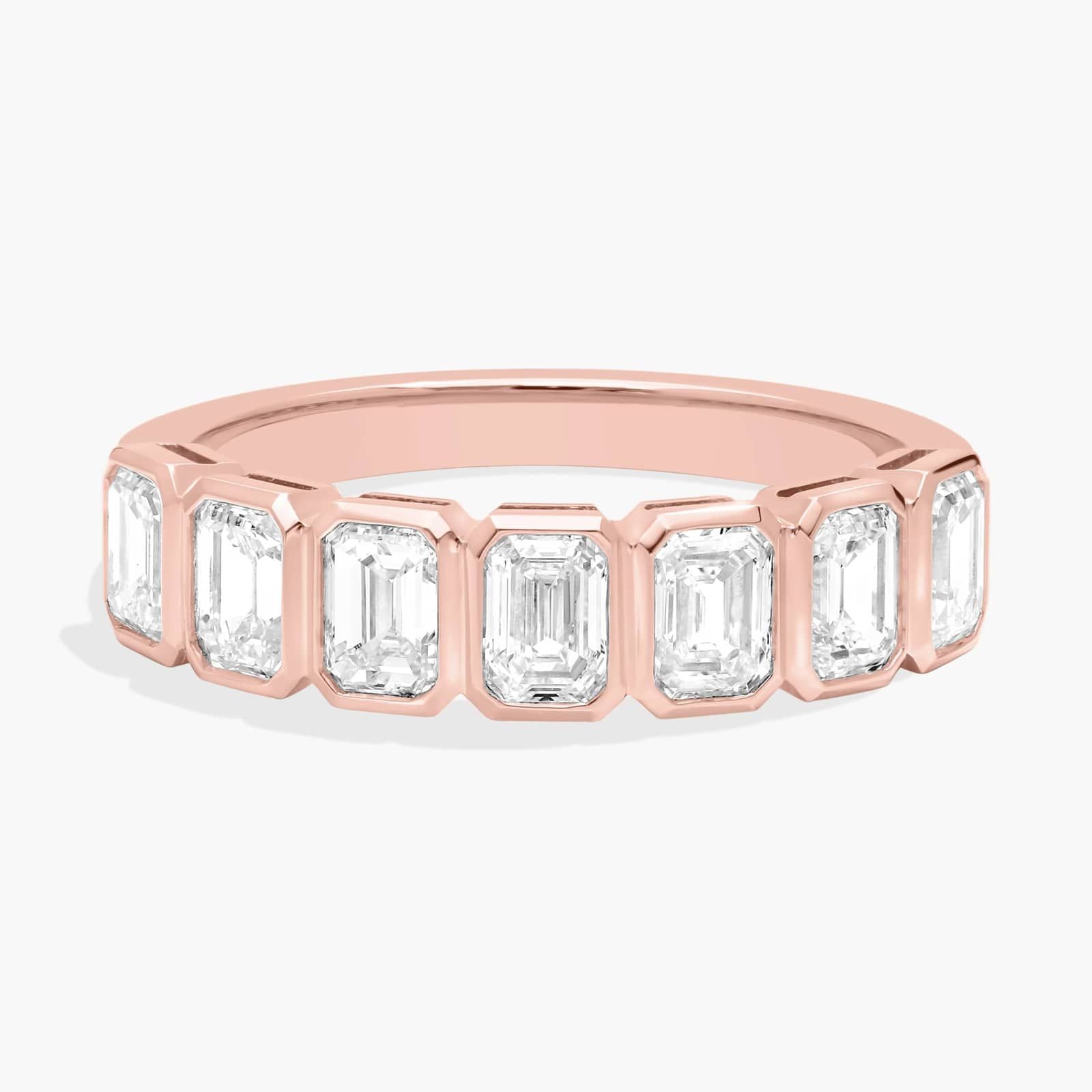
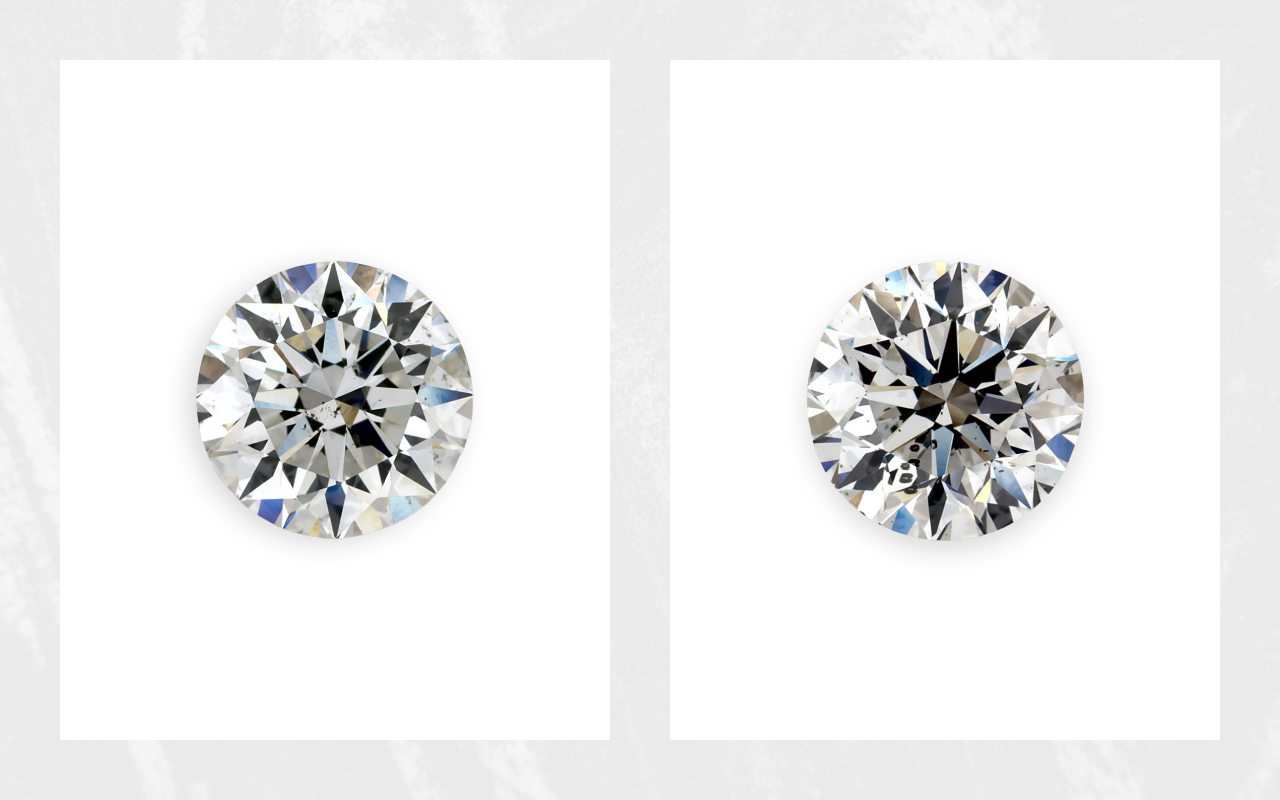
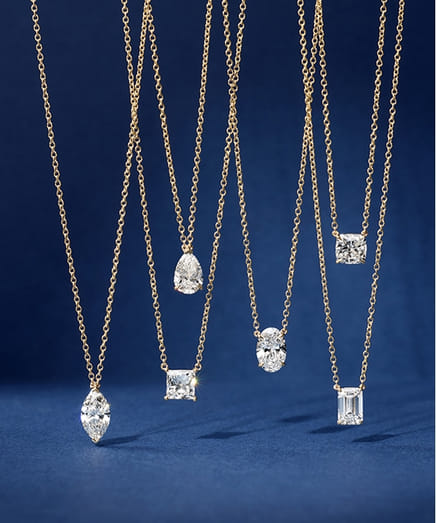
Lab-grown diamonds are visually and chemically identical to natural diamonds. They share the same carbon crystal structure, brilliance and durability. The key difference lies in their origin: lab-grown diamonds are created in controlled environments that replicate natural growth conditions.
If you’re deciding whether to buy lab-grown diamonds, these stones offer a responsible and cost-effective way to enjoy diamond beauty at a lower cost. Their identical composition and radiant light performance make them one of the most enduring diamond alternatives available today.
2. White Topaz

- Best for: A bright, diamond-like look on a smaller budget
- Durability: Hardness 8 on the Mohs scale; moderately durable with some scratch risk

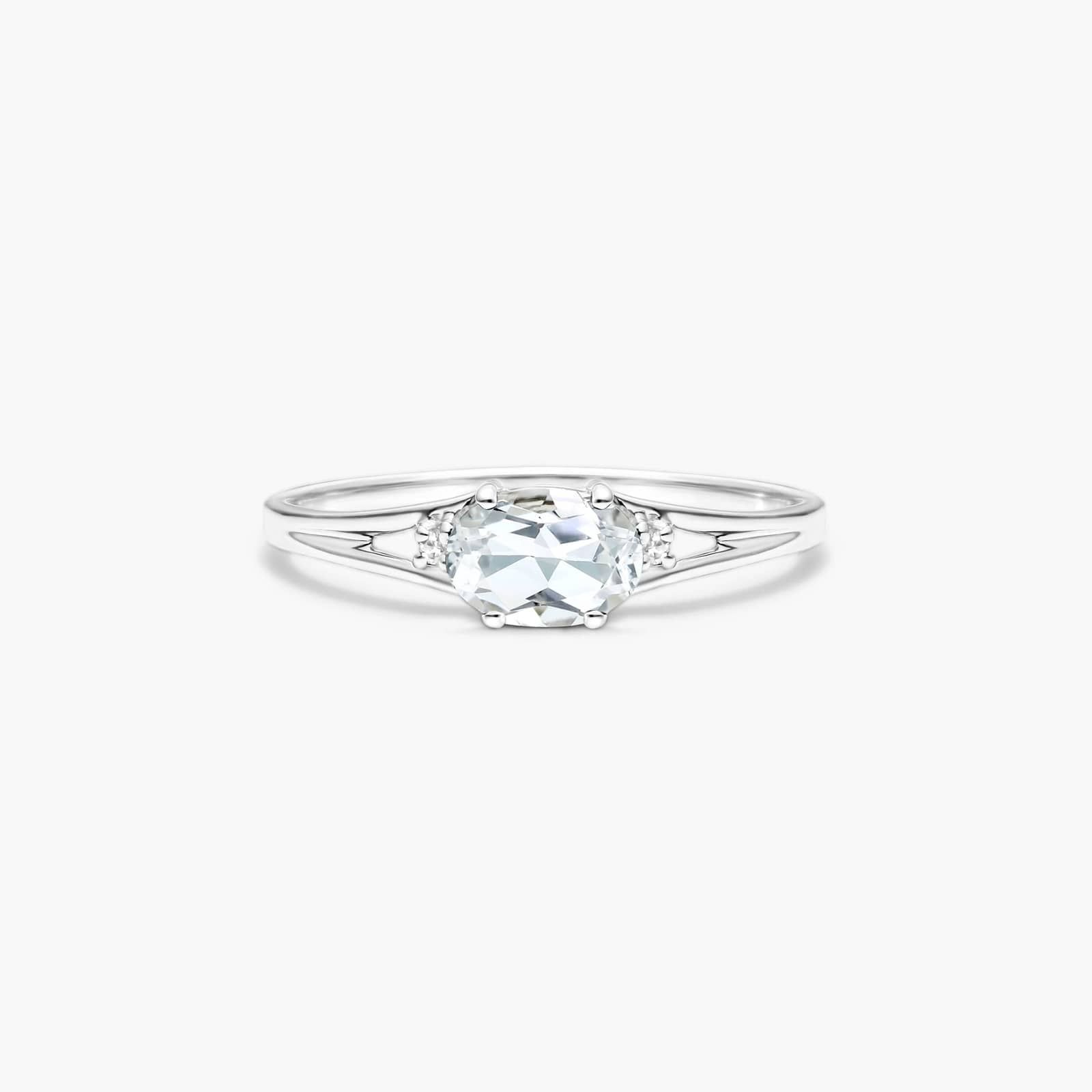
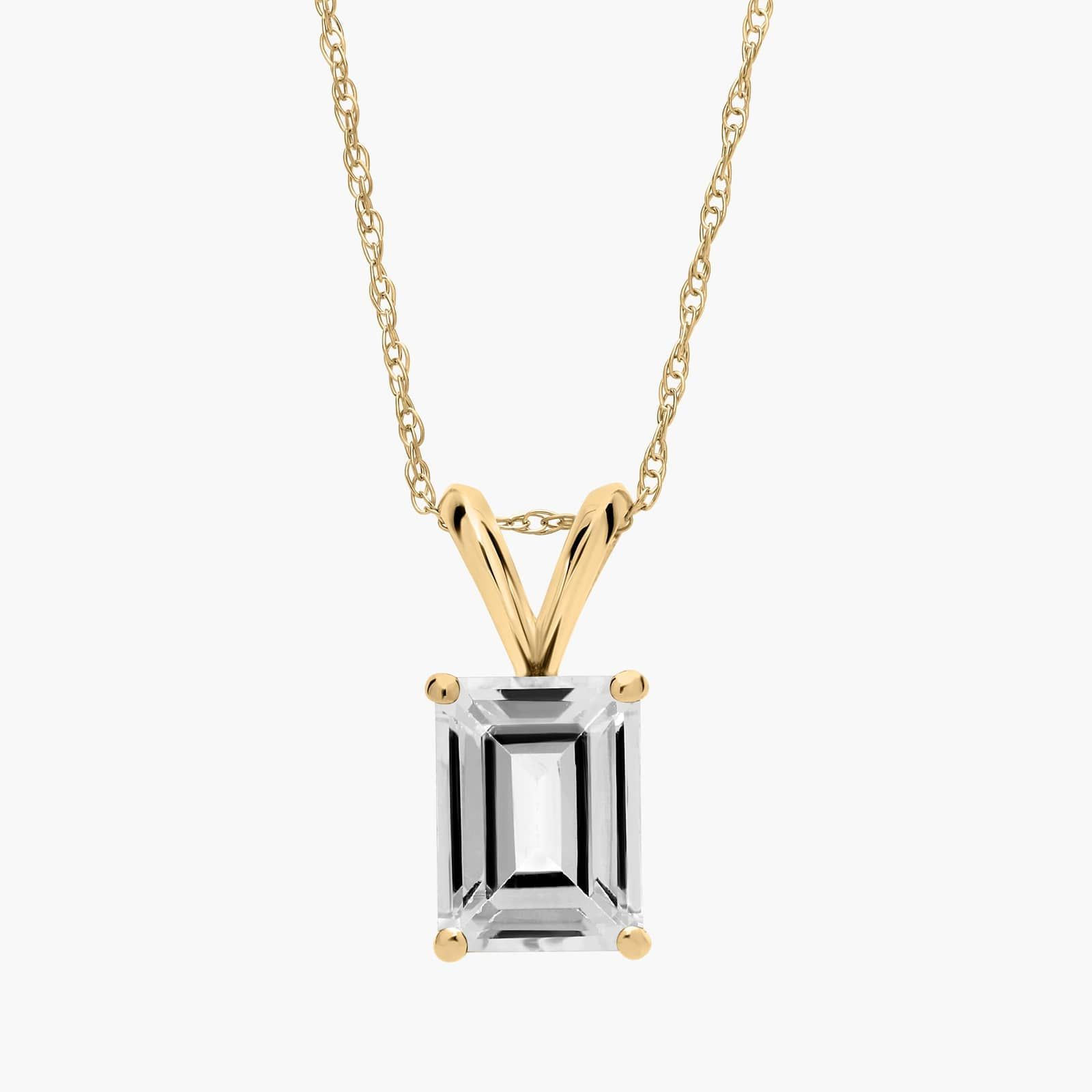
White topaz is a natural gemstone with a crisp, sparkling appearance that closely resembles a diamond. While it lacks the same refractiveness, it offers impressive brilliance for the price. Its affordability makes it a great entry point into fine jewelry or a versatile option for everyday wear.
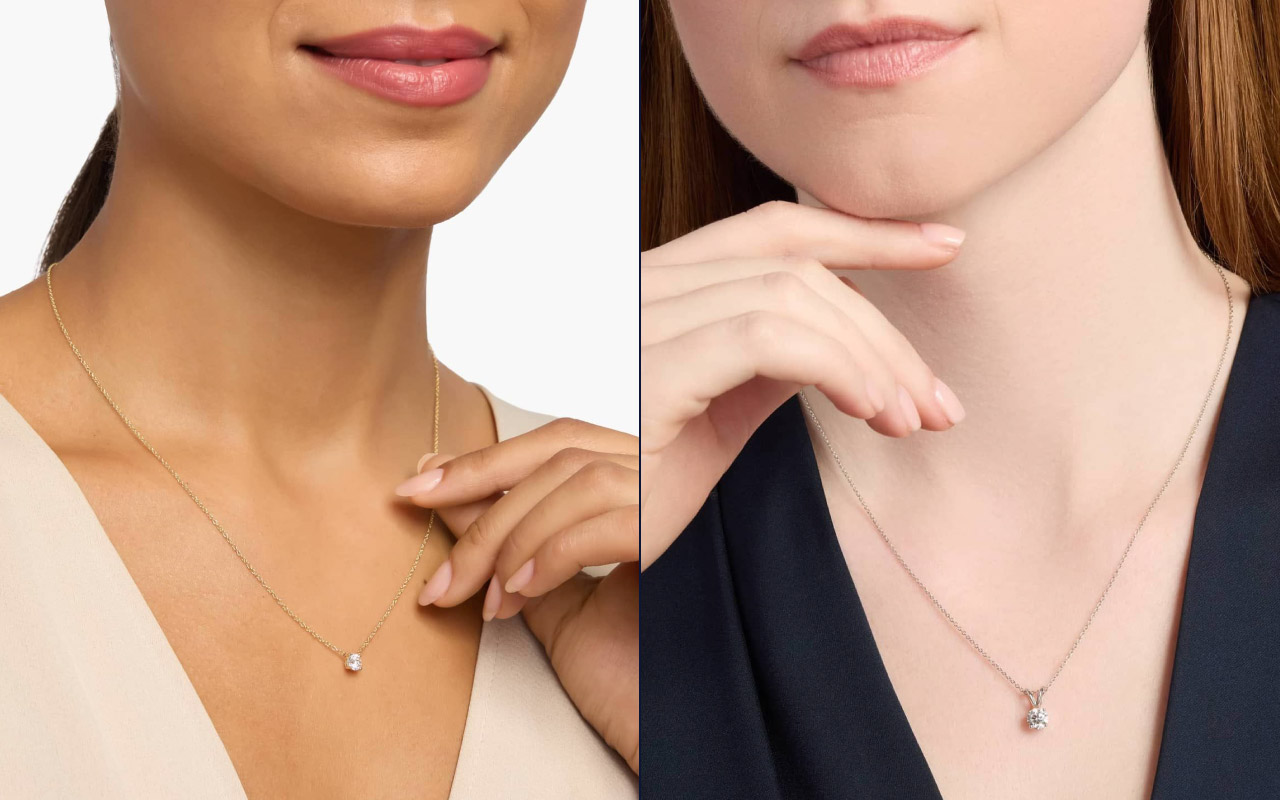
As one of the most accessible diamond alternatives, white topaz delivers a clean, elegant look without the premium cost of traditional diamonds. With proper care, it can retain its beauty for years, making it a strong choice for both statement and everyday pieces. It’s particularly striking in sterling silver or white gold settings, such as in a classic solitaire pendant or delicate stackable rings.
3. Morganite

- Best for: Romantic, feminine hues with a soft glow
- Durability: Hardness 7.5–8 on the Mohs scale; moderately durable and best for occasional wear

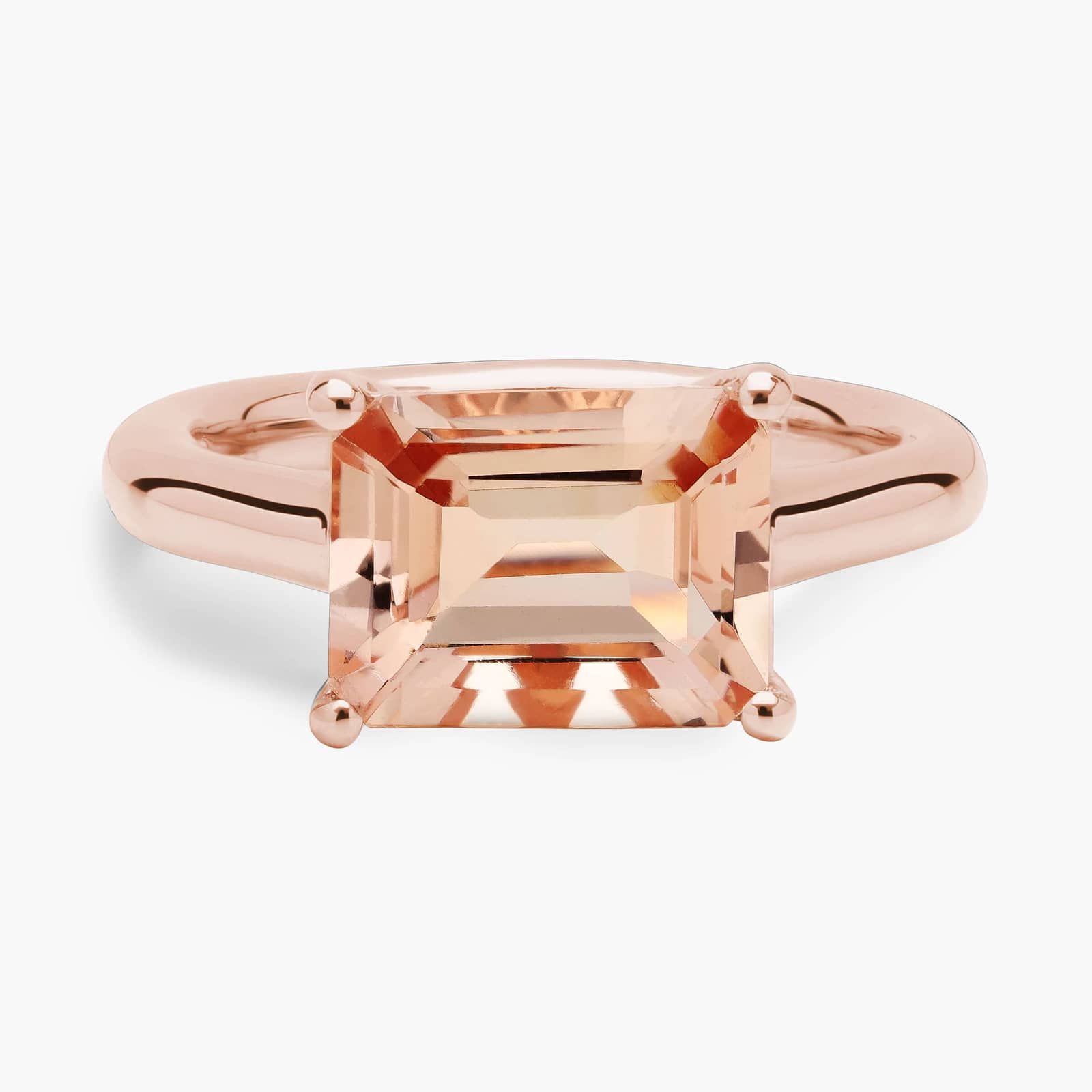
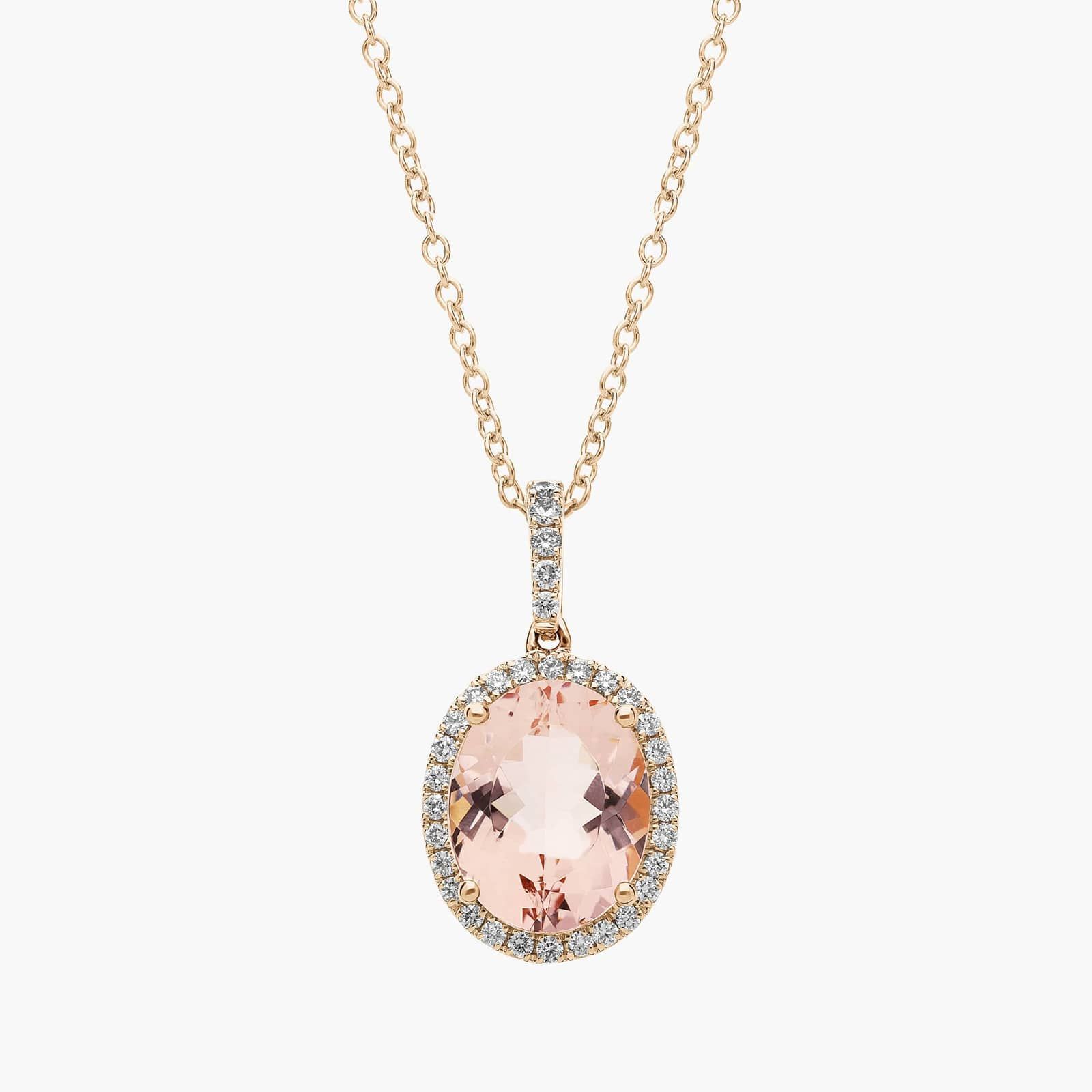
A relative newcomer to the jewelry world, morganite is an excellent diamond alternative. This gem brings a soft pink hue and a rare pleochroism that makes it appear as a pale pink from one angle and a deeper blush from another.
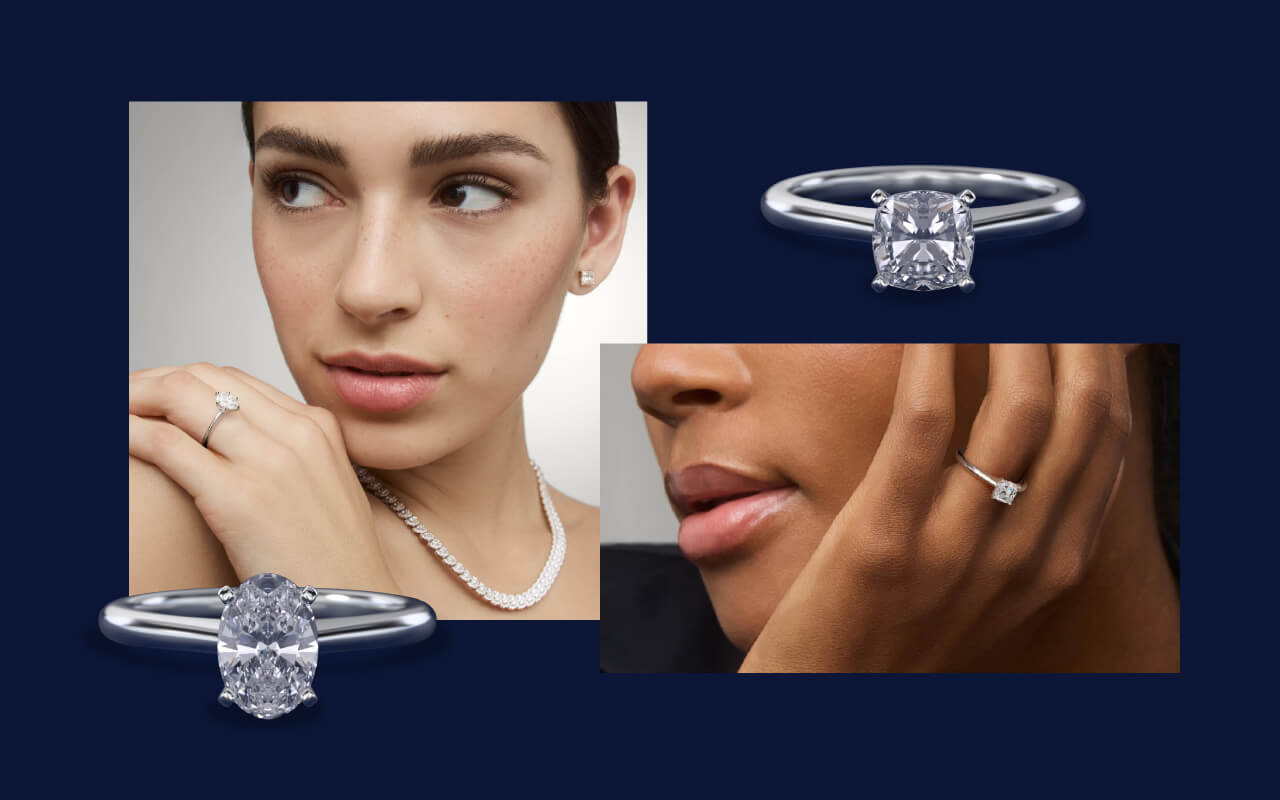
Though it’s slightly less durable than diamonds, proper care (like avoiding hard impacts and keeping it away from abrasive surfaces) ensures it maintains its delicate brilliance. Popular for morganite engagement rings and refined stud earrings, this gemstone adds a vintage-inspired charm that stands out among today’s diamond alternatives.
4. Aquamarine

- Best for: Cool tones and a serene, ocean-inspired look
- Durability: Hardness 7.5–8 on the Mohs scale; durable with mindful handling
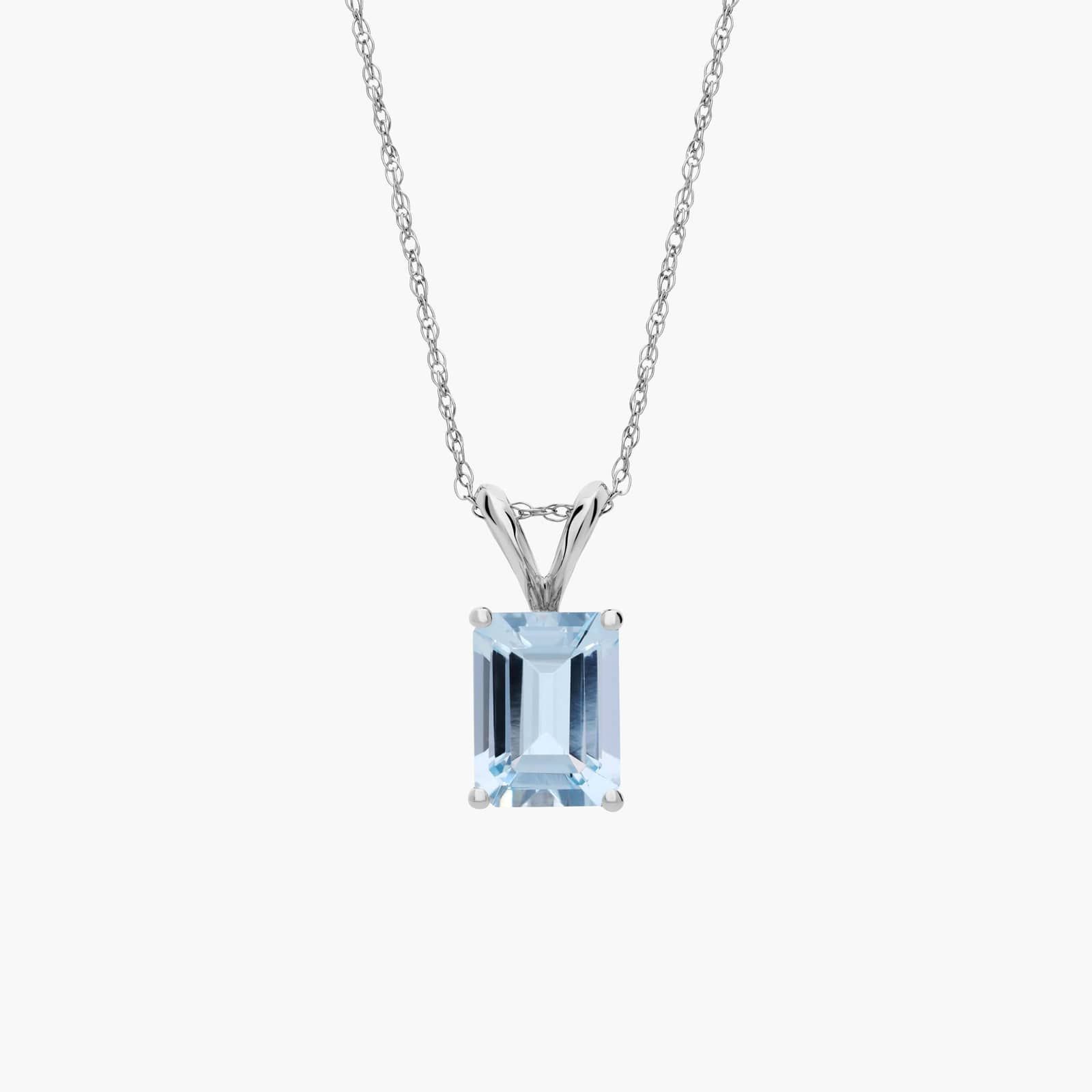
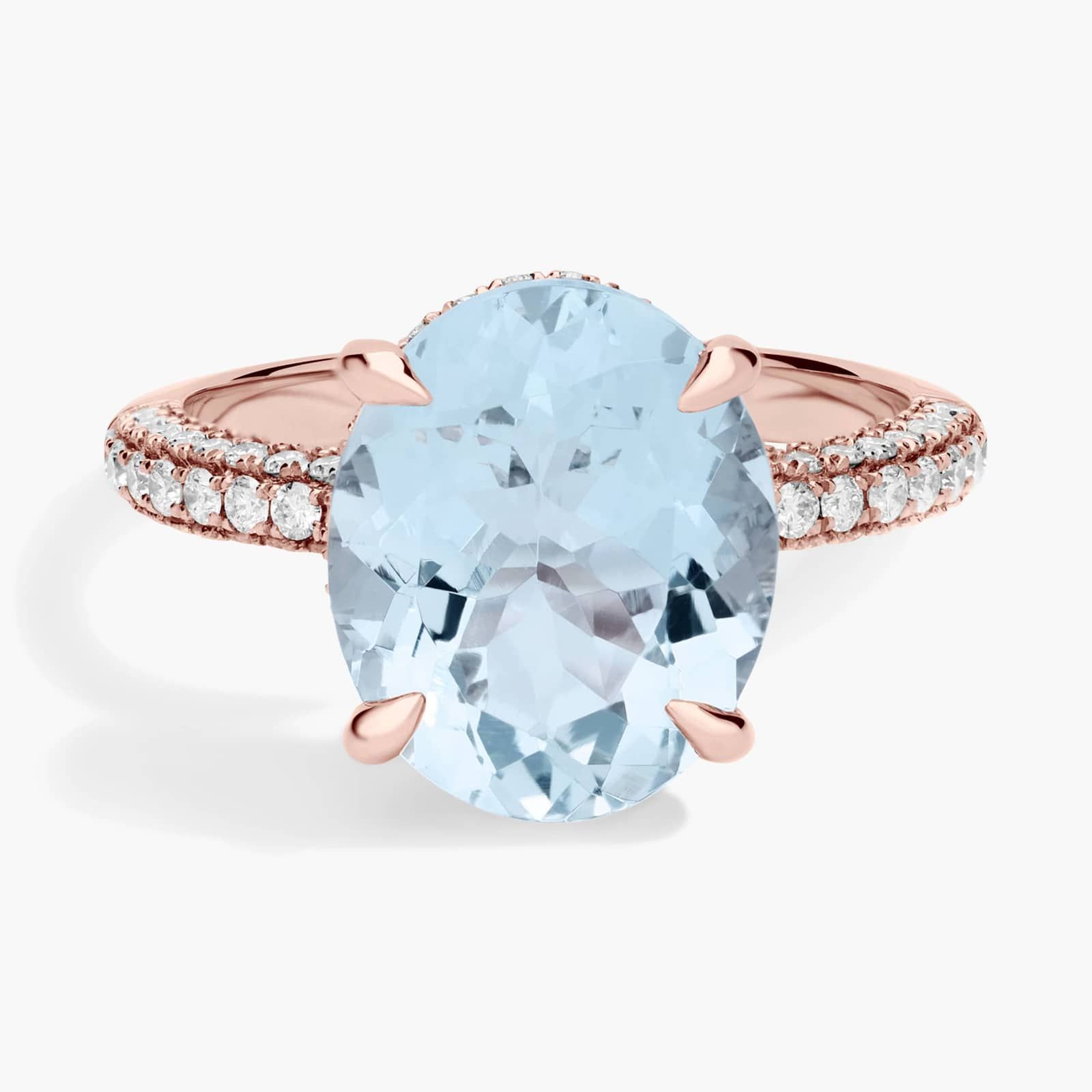

Aquamarine is another in-demand diamond alternative that offers soft blues or tranquil teals. It’s especially fitting for aquamarine engagement rings as this gem is believed to bring happiness and peace in marriage.
While not as hard as a diamond, this blue alternative to diamonds is still resilient enough for regular use with gentle care. Simply clean it with warm, soapy water and avoid harsh cleaning agents to preserve its clarity. Popular jewelry styles for aquamarine include rings and necklaces. It often accompanies tanzanite, white topaz and sapphire in multi-gem designs.
5. Emerald
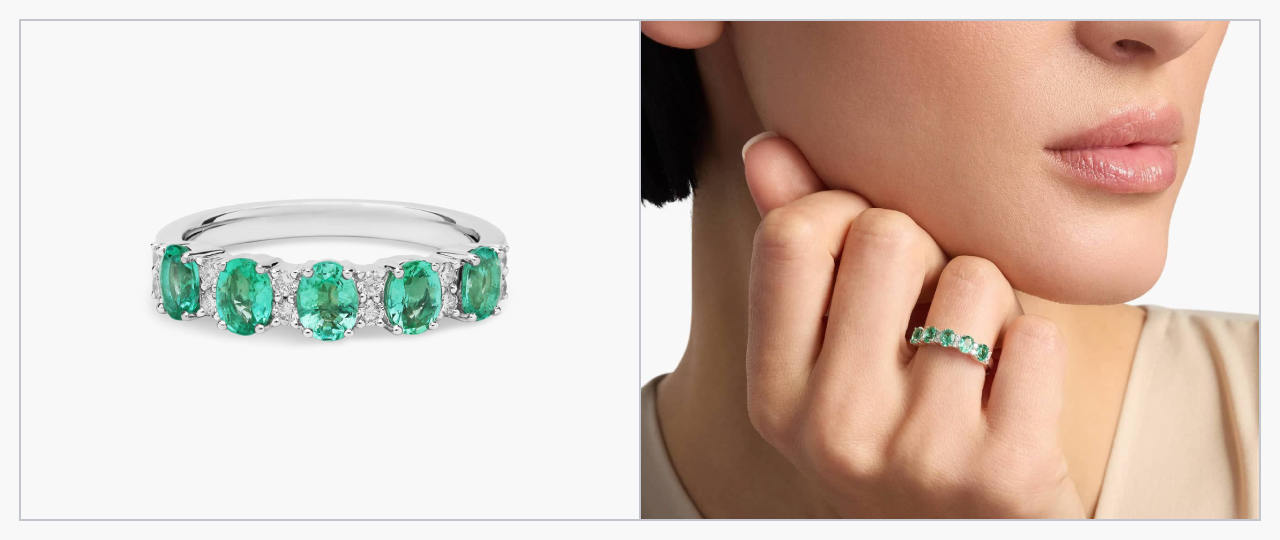
- Best for: A rare, eye-catching gemstone with a truly unique appearance
- Durability: Hardness 7.5–8 on the Mohs scale; fair durability due to internal inclusions

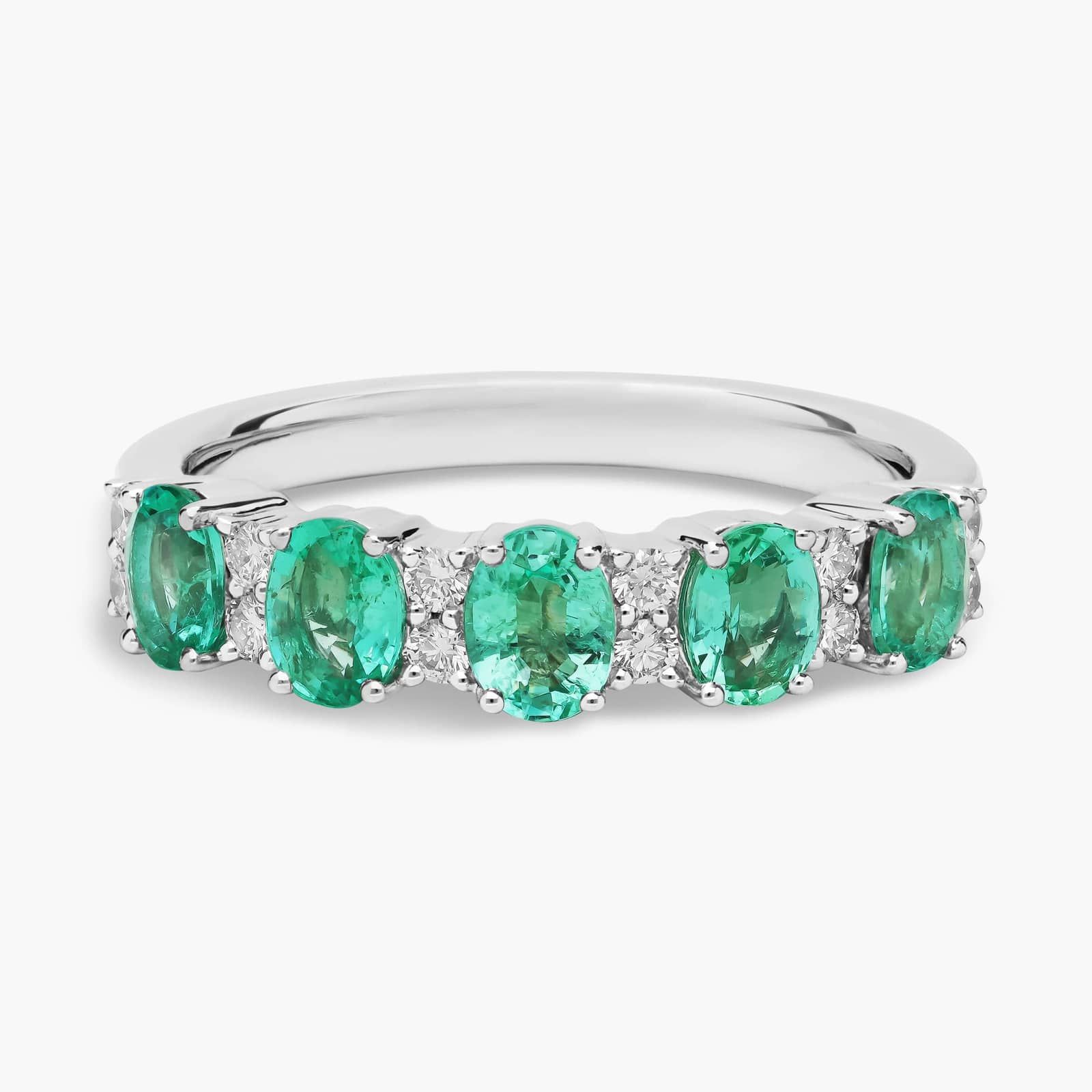

Twenty times rarer than diamonds, emerald gemstones are excellent diamond alternatives that bring rarity and beauty to earrings, necklaces, bracelets, and rings. While they require more care than harder stones, their distinctive hue continues to inspire modern diamond color trends.
Emeralds are a softer gem that requires gentle care. Avoid ultrasonic cleaners and instead wipe them with a soft, damp cloth to preserve their surface. Emeralds pair beautifully with yellow gold, and they look stunning in vintage-inspired halo rings or minimalist pendant settings that highlight their depth and saturation.
6. Sapphire

- Best for: A durable, vibrant gemstone with a range of striking colors
- Durability: Hardness 9 on the Mohs scale; highly durable for everyday wear

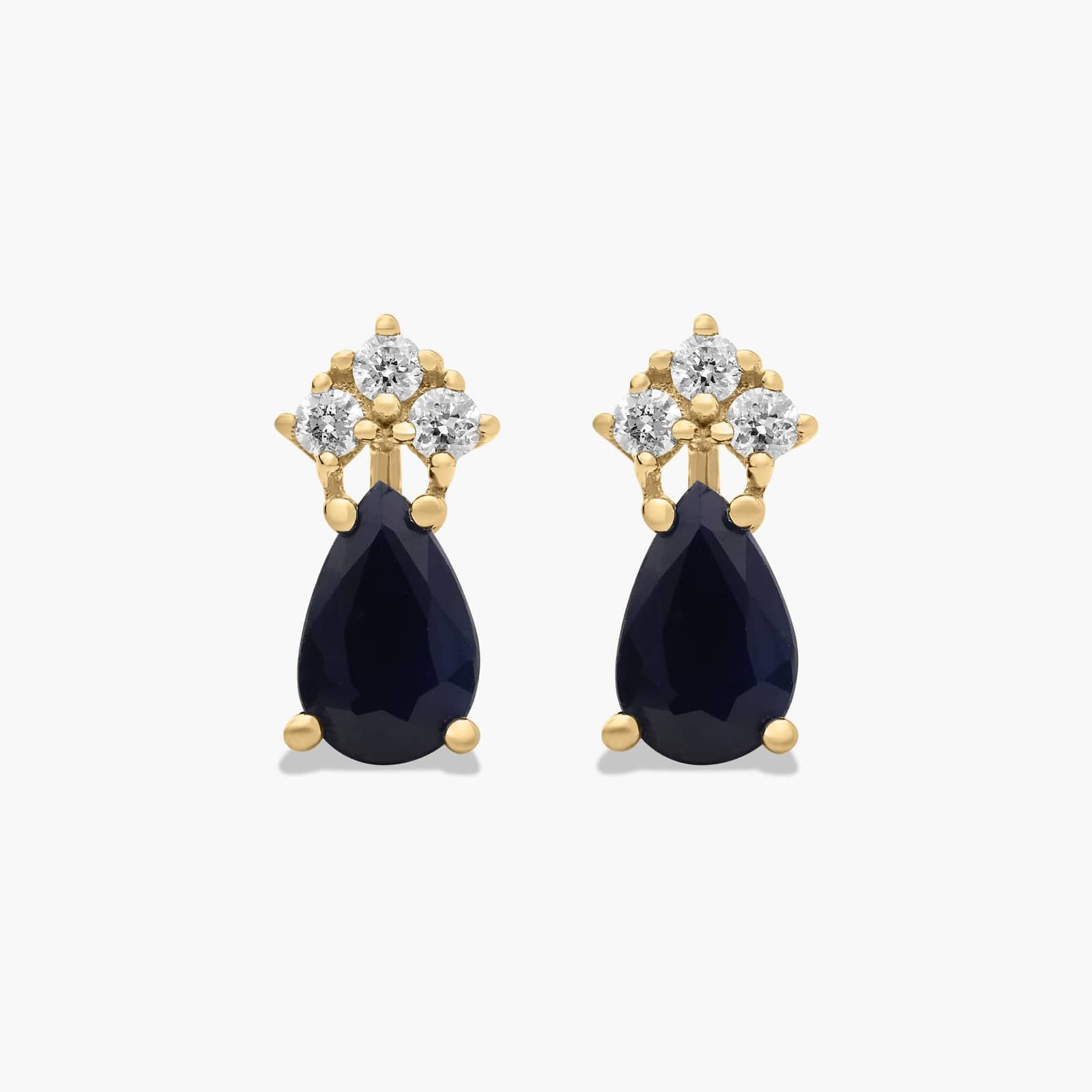
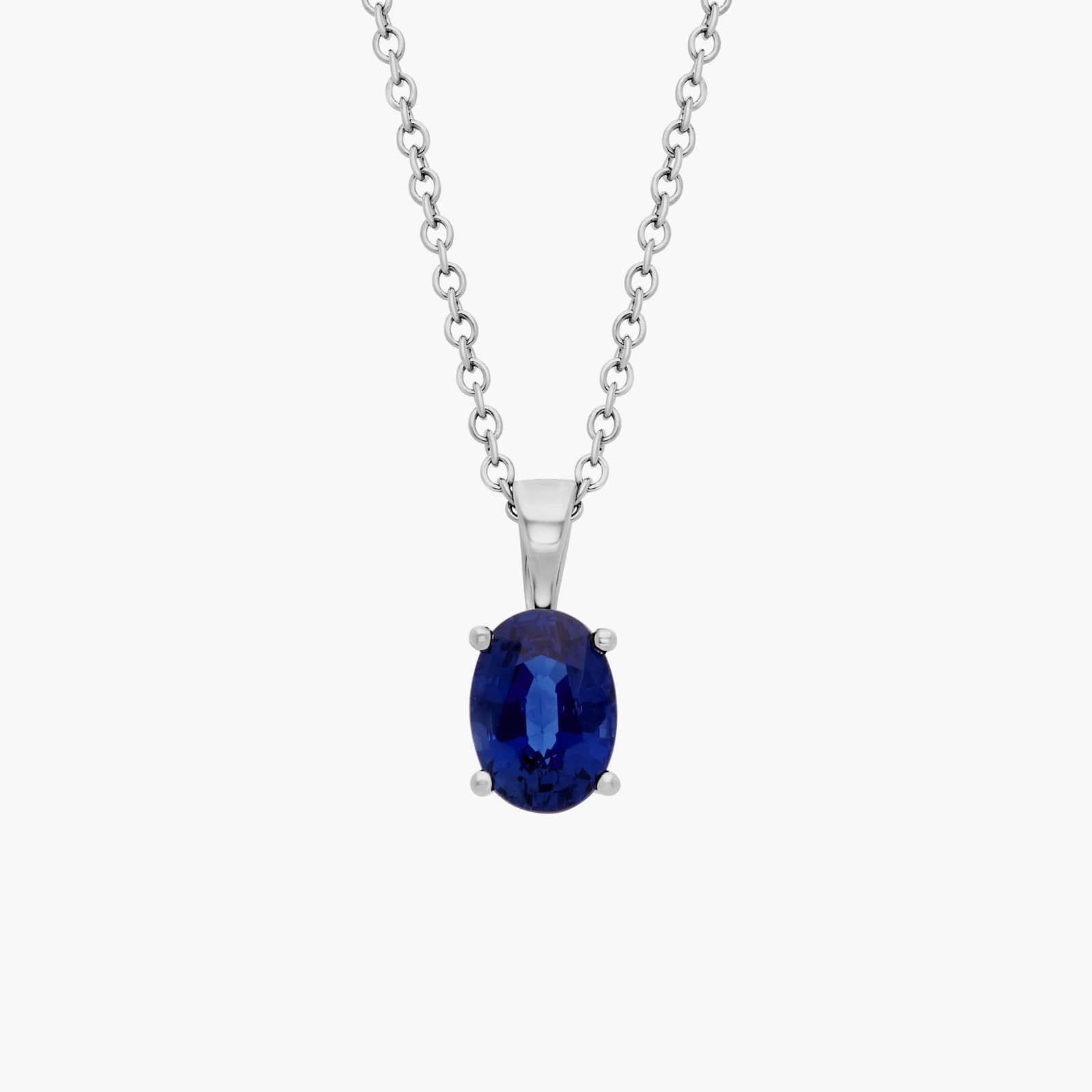
Sapphires are most celebrated for their deep blue tones but are also available in pink, yellow, green, and even colorless varieties. Their vivid color and exceptional hardness make them ideal for everyday wear, including sapphire engagement rings and fine jewelry.
With strong brilliance and lasting appeal, sapphires are a timeless choice among diamond substitutes, offering both beauty and resilience for a lifetime of wear. Their vivid color stands out beautifully in platinum or white gold designs, particularly in classic solitaires or three-stone settings.
7. Ruby
- Best for: A bold, luxurious gemstone with deep, vibrant color
- Durability: Hardness 9 on the Mohs scale; highly durable for everyday wear
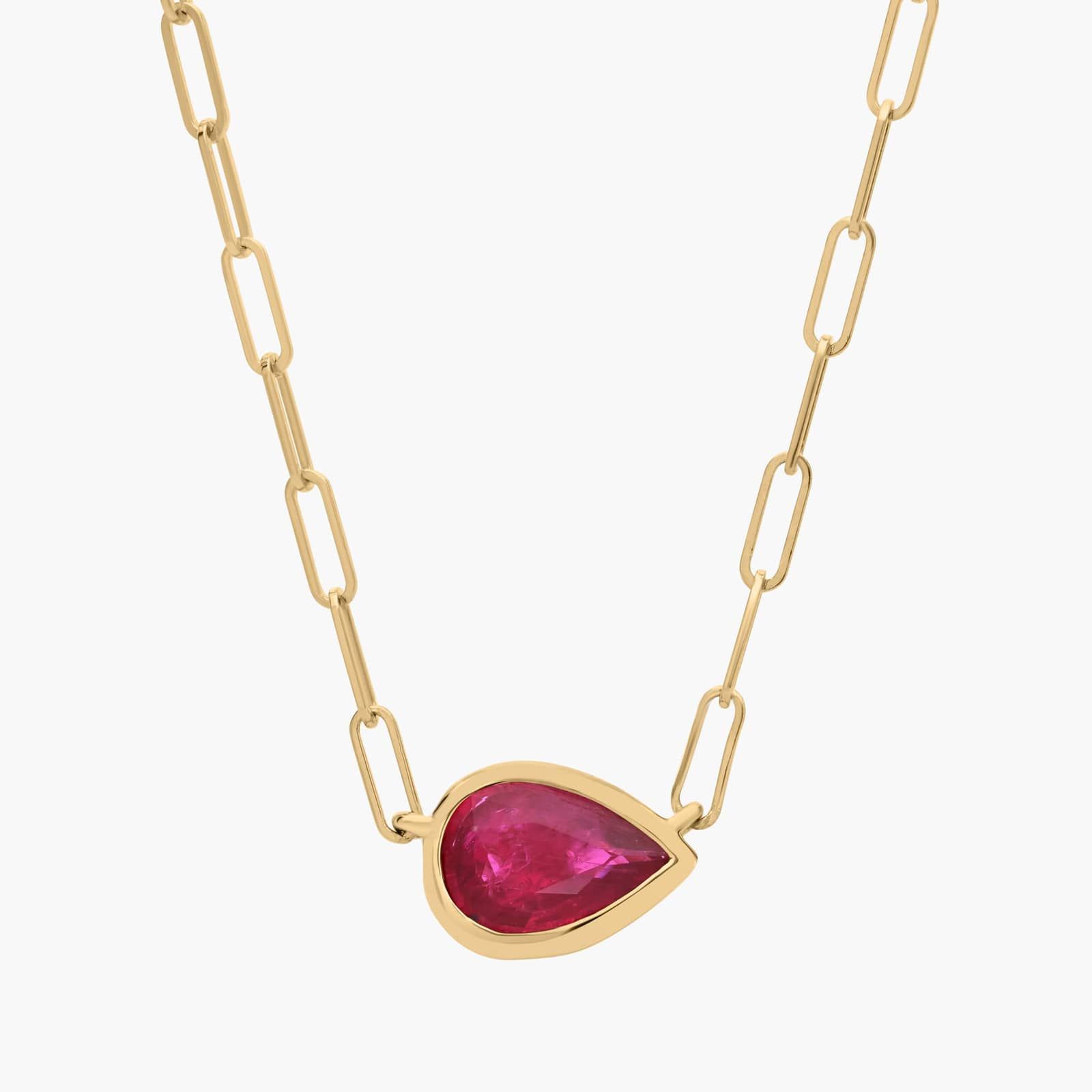
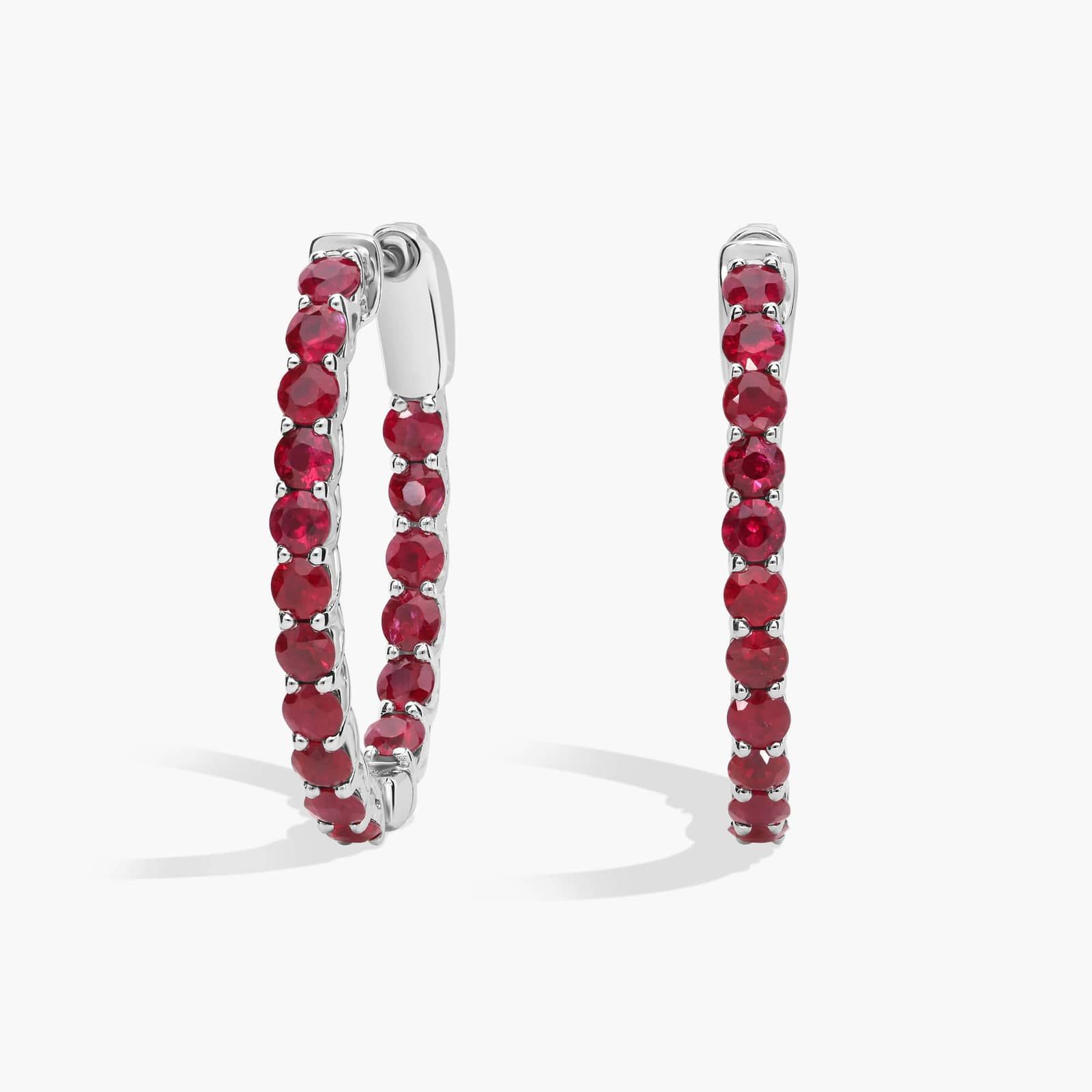
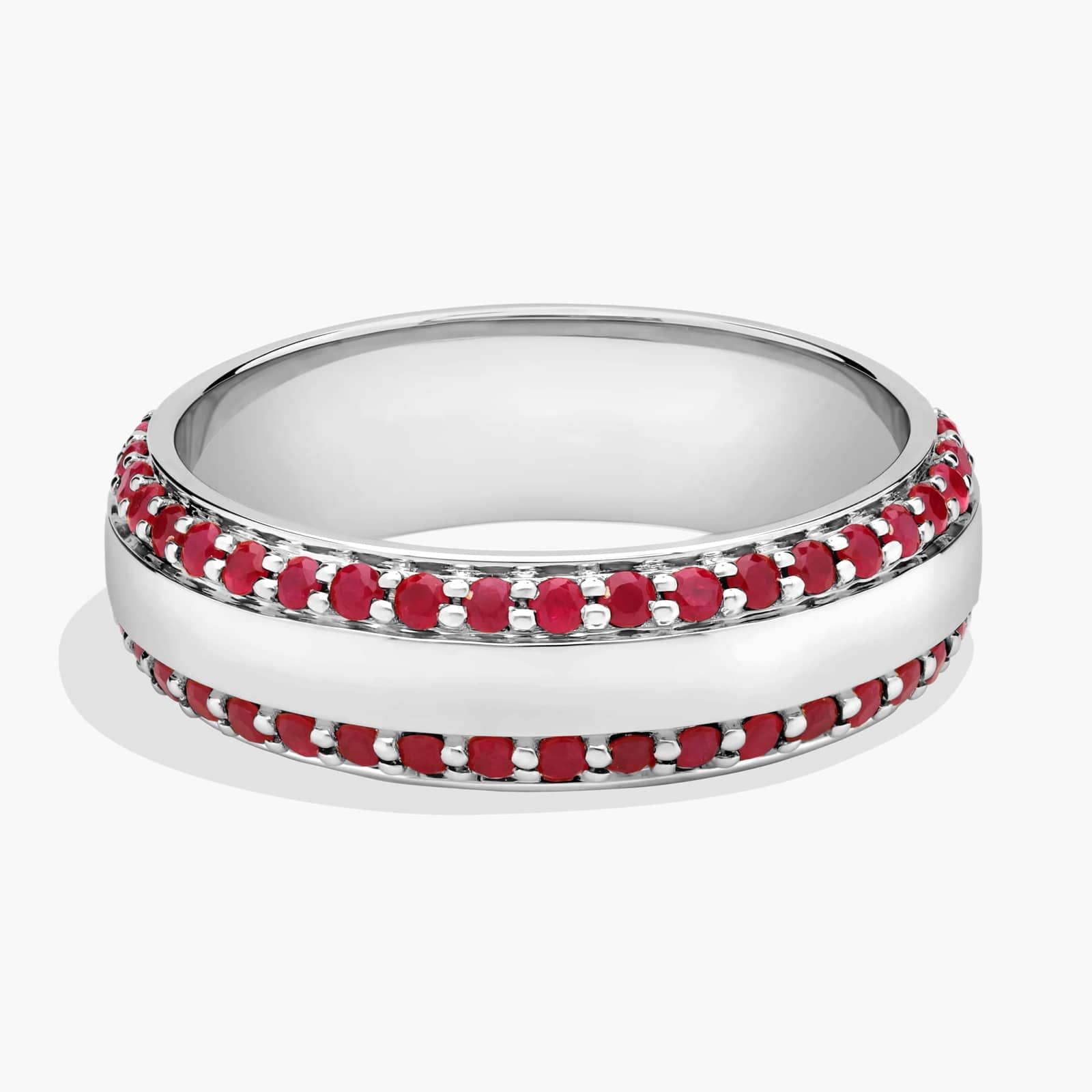
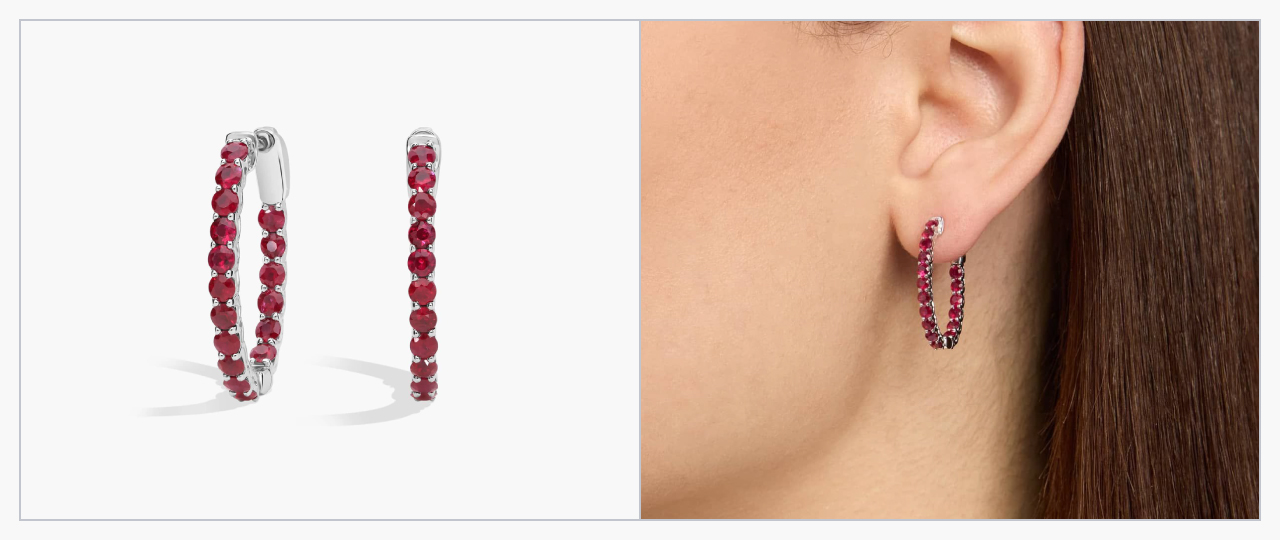
Rubies are prized for their rich red hues, ranging from deep crimson to slightly purplish tones, and they’ve long been symbols of passion and prestige. They can be found in a variety of cuts, sizes and styles, and their hardness and brilliance make them ideal for everyday wear. Their rich color also fits perfectly alongside rose, white or yellow gold.
Ruby engagement rings, necklaces and earrings are an increasingly popular choice for couples in search of unique styles or non-diamond engagement rings. As one of the most classic and striking diamond alternatives, rubies bring drama and elegance to any jewelry collection.
Other Diamond Alternatives
There are several other diamond alternatives that offer beauty, affordability and versatility. These options are especially popular for fashion jewelry, everyday wear or as temporary stand-ins for a larger, more permanent stone.
- Moissanite: Known for its exceptional brilliance, moissanite is nearly as hard as a diamond and offers a sparkling, durable option that closely resembles a diamond at a lower price point.
- Cubic zirconia: This synthetic stone is affordable, clear and visually similar to diamonds, making it a popular choice for short-term wear.
- White sapphire: A natural gemstone that is colorless like a diamond, white sapphire is durable enough for regular wear and provides a subtle elegance.
Finding the Right Diamond Alternatives with Blue Nile
If you’re seeking creative or responsibly sourced diamond alternatives, you’ll likely prefer stones that closely resemble natural diamonds. In these cases, lab-grown diamonds are an excellent choice, and white topaz can provide a similar sparkle in smaller pavé settings.
Alternatively, you may seek gemstones that stand apart, favoring color and individuality over mimicking a diamond. Vibrant stones for engagement rings without diamonds offer eye-catching hues and a unique touch for meaningful jewelry.
Ultimately, the best diamond alternative is one that aligns with your style and budget. Explore our collection of gemstone jewelry to find the perfect stone that reflects your personal style and sentiment.
Frequently Asked Questions
The best alternative to a diamond depends on your priorities, but lab-grown diamonds and moissanite are among the top choices for closely mimicking a diamond’s brilliance.
Other options, like morganite, sapphire and emerald, provide unique color and personality for those seeking something distinctive.
Yes, you can purchase diamonds on a budget by considering slightly smaller carat weights, lower color or clarity grades, or lab-grown diamonds—all of which make it easier to embrace budget-friendly diamond buying without compromising on style or quality.
Diamond alternatives are generally not considered financial investments in the same way natural diamonds might be, but they are a great choice for value, beauty and responsible sourcing. They allow buyers to enjoy the look and durability of fine gemstones without the premium price of natural diamonds.
The durability of diamond alternatives varies by stone. Lab-grown diamonds and moissanite are extremely hard and suitable for daily wear, while stones like morganite or emeralds are softer and require more careful handling to maintain their beauty over time.

Share